Here’s a simple test from the Health and Safety Executive. Stand two metres from a colleague on your floor. If you need to raise your voice to be heard, your workplace is probably already at the level where the law expects you to act.
Most noise damage doesn’t announce itself. It builds shift by shift, over years, and once hearing is lost it doesn’t come back. That’s why the regulations exist, and it’s why the protection you provide matters less than whether your people keep it in.
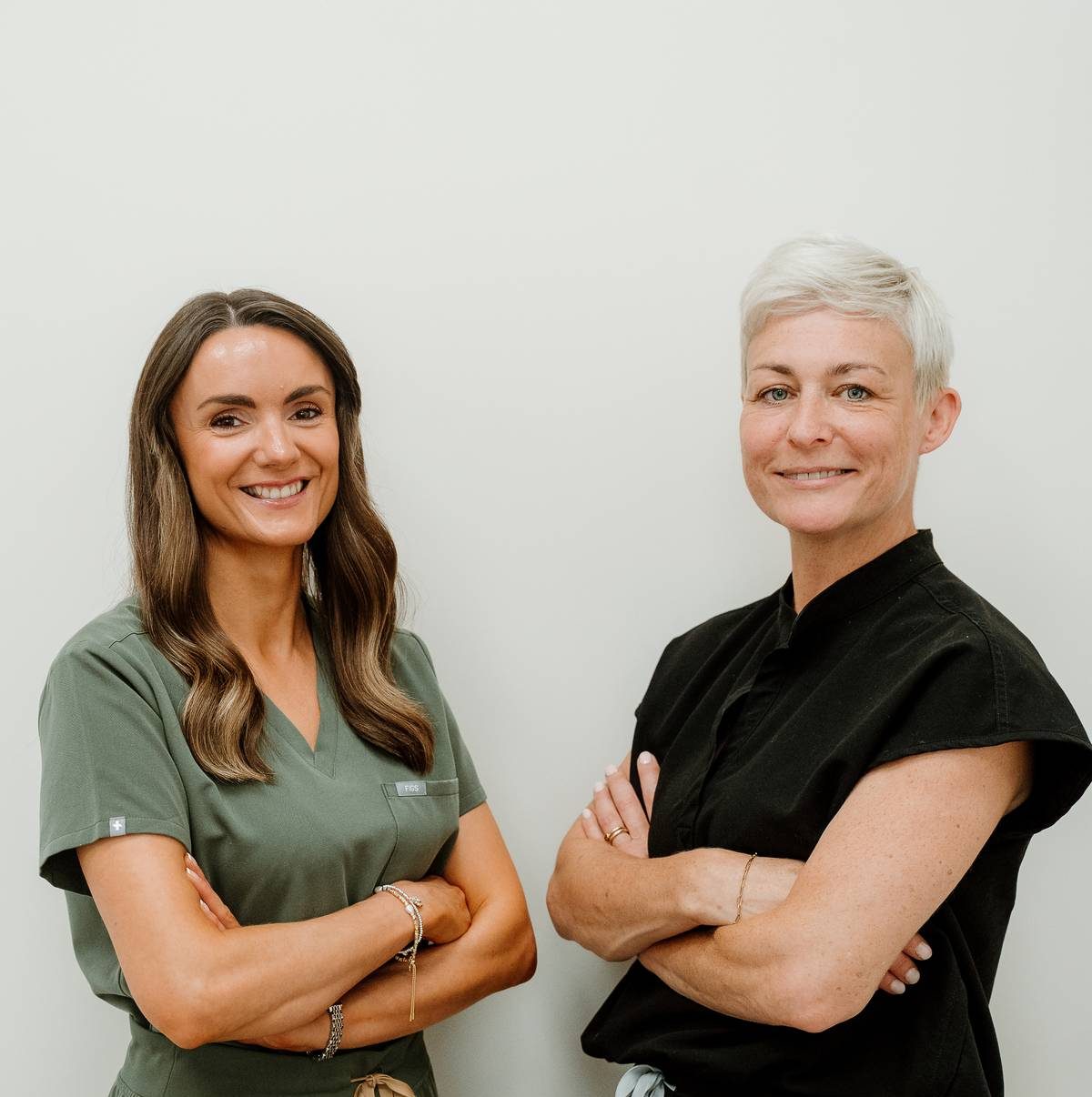
We’re audiologists, and we look after workforces the way we look after our own clients. We come to your site, we check every ear before we take an impression, and we fit custom moulded protection that’s comfortable enough to wear from clock-on to clock-off. Because uncomfortable protection ends up in a pocket, and protection in a pocket protects nothing.
The Control of Noise at Work Regulations 2005 set out your duties as an employer, and the thresholds are lower than many people expect.
At an average daily exposure of 80 decibels, you must assess the risk, give your employees information and training on it, and make hearing protection available to anyone who asks.
At 85 decibels, providing hearing protection is no longer optional. You must supply it, make sure it’s used, and take steps to bring the noise itself down where you can.
And 87 decibels at the ear, with protection factored in, is the legal limit. It must not be exceeded.
Falling short can mean HSE enforcement and, years later, compensation claims from employees whose hearing was damaged on your watch. But the better reason to get this right is the obvious one: hearing loss is permanent, and it’s preventable.
Getting an entire team to a clinic means downtime, cover, and diaries that never quite align. So we don’t ask you to. We bring the clinic to your site and work around your shifts, taking each person away from the line for a matter of minutes.
Every appointment starts the same way it would in one of our clinics: a proper look in the ear. We’re audiologists, so before we take a single impression we examine each ear to check it’s healthy and clear. If we find wax, we won’t take an impression over it, because an impression of a blocked ear makes a plug that doesn’t fit. Instead we’ll book that person into our nearest clinic for wax removal and take their impression at the same appointment, at no extra cost for the impression itself. Their set follows separately once it’s made.
Once we’ve taken an impression of every ear, we send them to the manufacturer and deliver the finished sets back to you, checked and ready to wear. Turnaround is around eight weeks from site visit to delivery, with express options if you need protection sooner.
You’ll deal with us from start to finish. One booking, one point of contact, and a workforce protected without your production schedule noticing we were there.
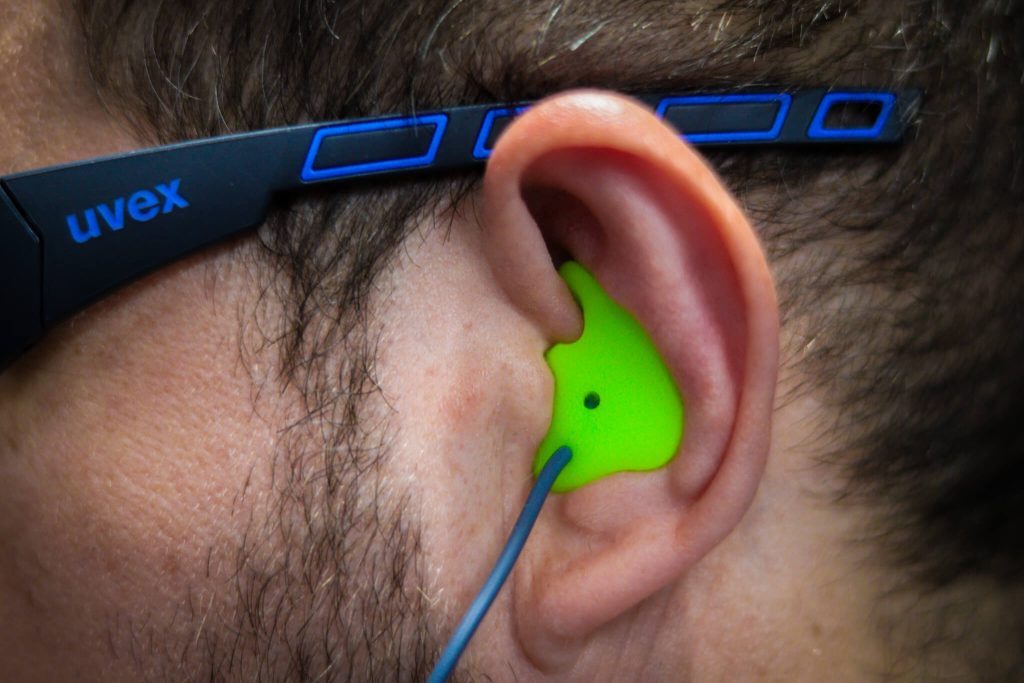
We fit the NoiseBreaker, a custom moulded silicone earplug made from an exact impression of each person’s ear. No two are alike, because no two ears are.
The clever part is the filter. Rather than blocking everything, the NoiseBreaker attenuates, taking harmful noise down to safe levels while letting conversation and warning signals through. Your people can hear a shouted instruction, a reversing alarm, a colleague two metres away. On a busy floor, that’s not a comfort feature. It’s a safety one.
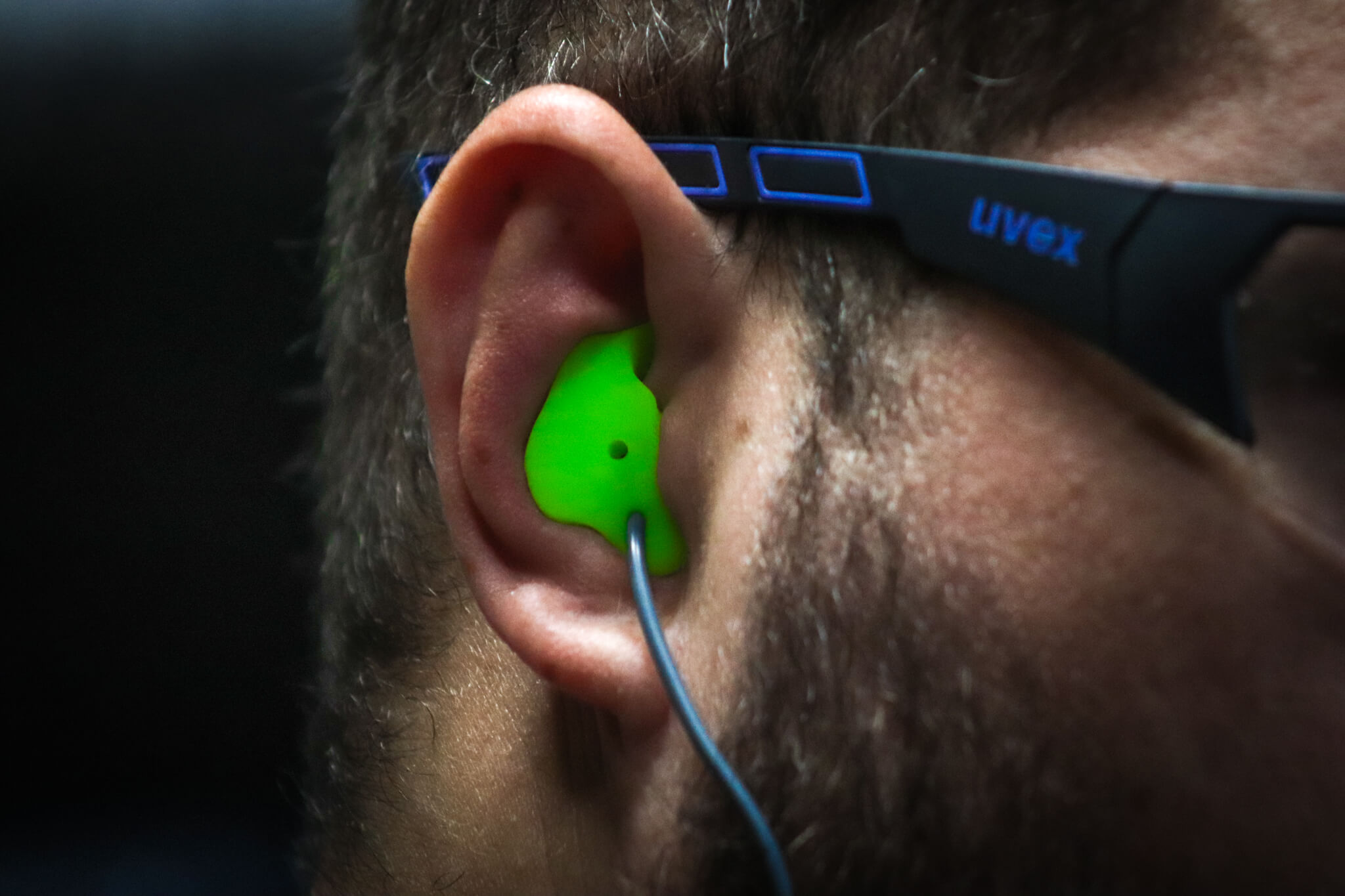
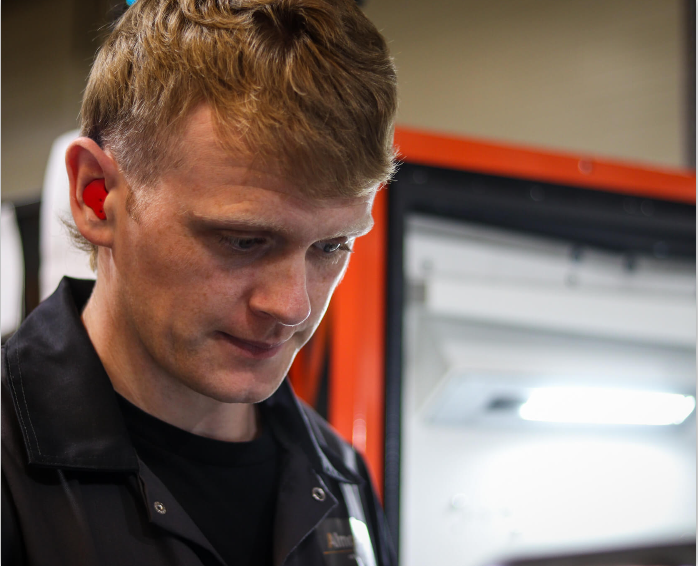
Because each plug is moulded to the individual ear, it doesn’t shift, work loose, or need reseating through the day. That matters more than it sounds: hearing protection is tested in laboratories under perfect conditions, and most of it performs worse in the real world because real ears vary and real fits slip. A NoiseBreaker performs on your floor the way it performed in testing at Salford University’s Department of Applied Acoustics, because the fit is the same in both places. They’re certified to EN352-2, they sit comfortably alongside helmets, safety glasses and other PPE, and with reasonable care a set lasts around six years.
Plugs and cords for food and drink production.
Versions that house radio earpieces for teams who need communications in their protection.
A slimline shape for anyone working in a helmet all day.
A range of colours, because when protection belongs to someone, they tend to look after it.
If your workplace needs something the NoiseBreaker doesn’t cover, we can source and fit alternatives. We’ll recommend what’s right for your environment, not what’s on our shelf.
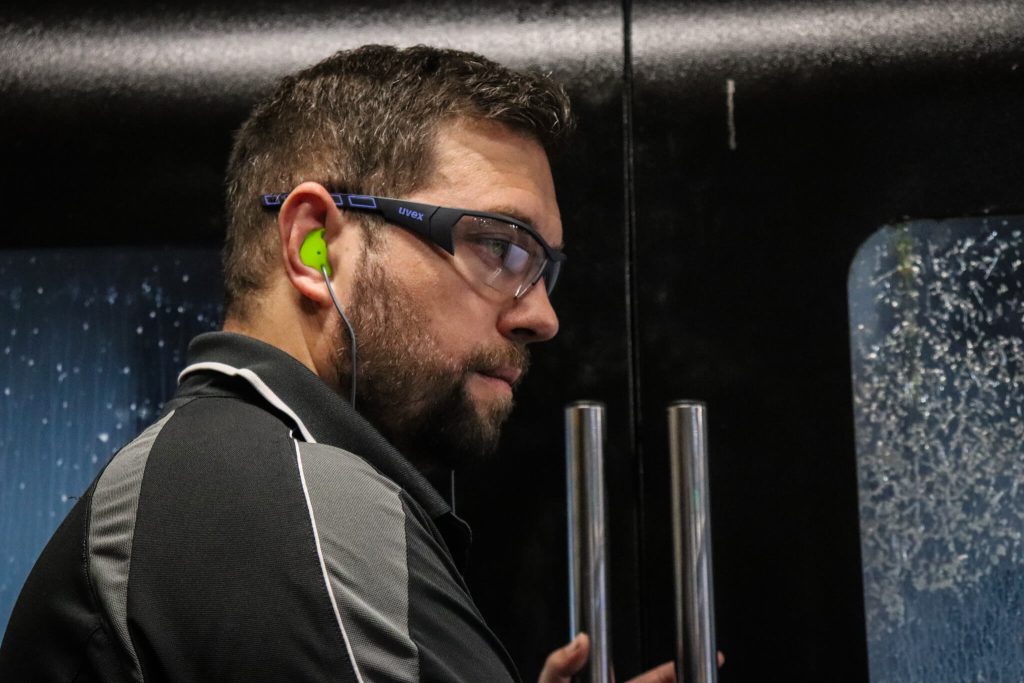
Custom hearing protection is a one-off cost, not something you buy again every week. Each custom set includes the site visit, ear examination, impressions and delivery, with the arrangements built around the size of your team and where you’re based.
Unlike disposable earplugs, which get thrown away and replaced, custom-fit protection is made to be worn every day over the long term. Each set is shaped to your ears for a secure, comfortable fit, so it actually gets worn on site.
For larger teams, moving away from disposables also keeps a lot of single-use foam out of landfill. It’s a practical, lower-waste choice that looks after your people and your environmental commitments.
The number we care about most, though, isn’t on an invoice. Disposable plugs only work when they’re inserted properly and worn consistently, and uncomfortable protection has a way of ending up in pockets. Protection your people actually wear, all shift, every shift, is what keeps their hearing intact and your business compliant. We run hearing clinics across Scotland, and we see every week what decades of workplace noise does to a person. The best outcome we can offer your team is simple: they never need to visit us for anything more than new plugs.
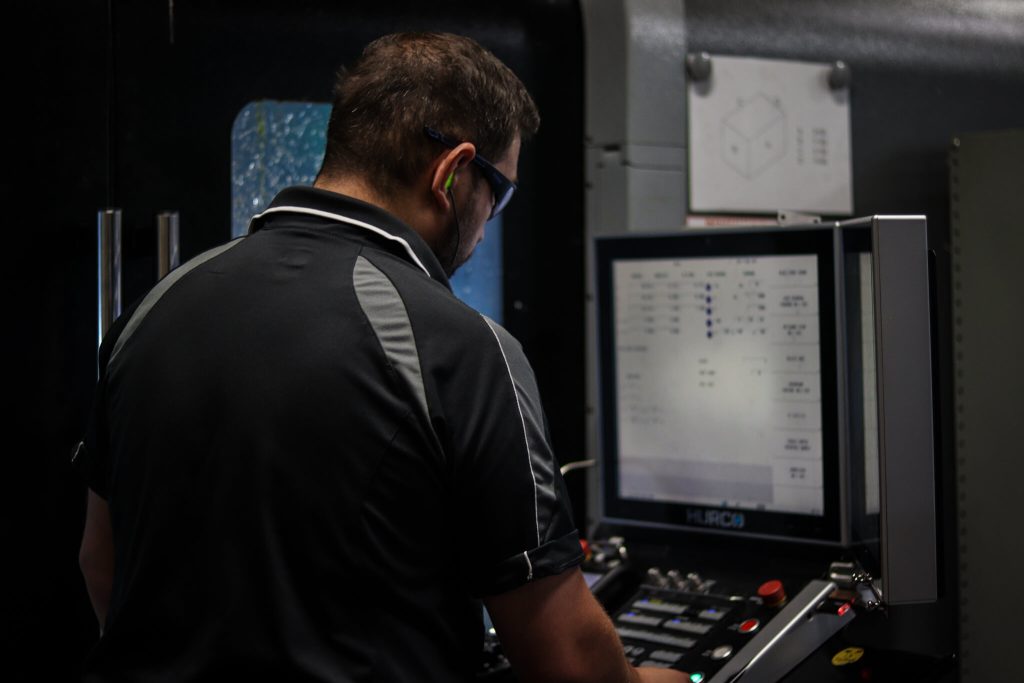
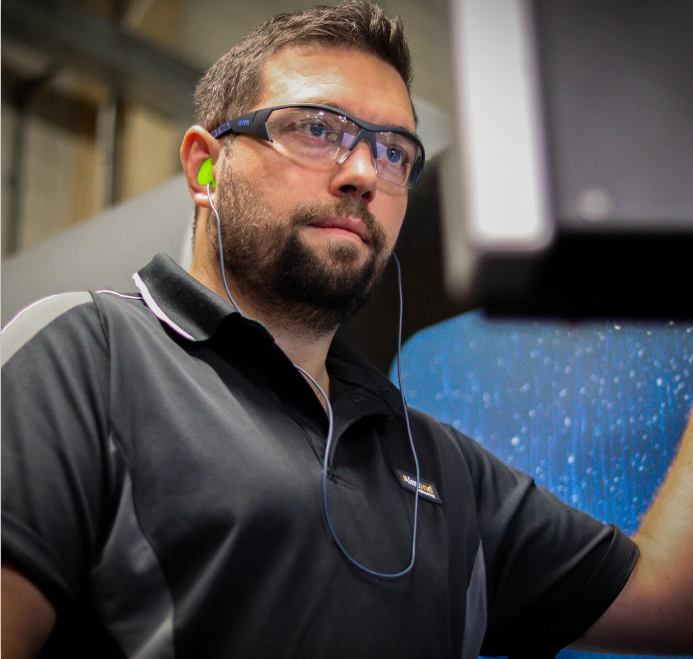
Almond Hearing and Almond Engineering are both named after the River Almond, which runs through Livingston past our first clinic and their workshop. When their team needed hearing protection, we went to them, examined every ear, and fitted thirty sets of custom protection their people wear to this day.
“It’s more than just earplugs; it’s a testament to the type of company we are, one that places its people first.”
Steven, Almond Engineering
We’ve travelled further. We’ve protected an engineering team in Clydebank, and we’ve taken impressions for the crew of a Norwegian boat. Wherever your team works, the appointment is the same one we’d give a client in our own clinics, because that’s the only kind we know how to do.
Send us a few details using the form below: roughly how many people need protection, where you are, and anything you already know about your noise levels. We’ll get back to you with an honest recommendation and a confirmed price that won’t change afterwards. We travel from our clinics across Scotland, as far north as Inverness and Aberdeen and down to Dumfries. For smaller teams, it sometimes makes better sense to come to one of our clinics instead, and if that’s true for you, we’ll say so.
"*" indicates required fields