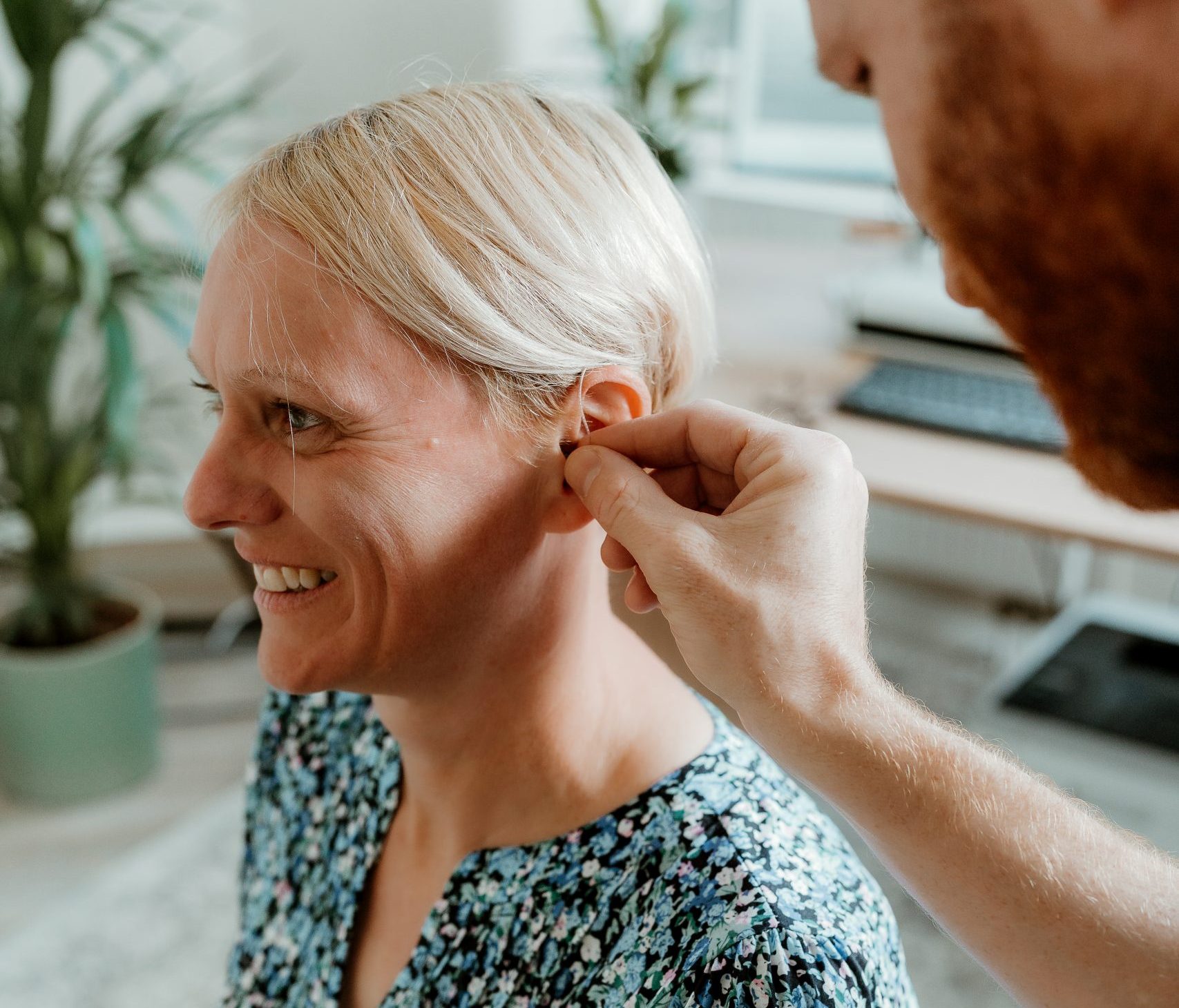
Choosing hearing technology isn’t really about the device. It’s about what you want back. Hearing your grandchild on the phone, or catching the squeak of the door that tells you someone’s home.
So we start with you, and work back to the technology. We’re independent, so we fit from every major manufacturer and we’re tied to none of them. The right choice is the one that suits your hearing and the way you live.
And if we don’t believe you’ll wear it, we won’t fit it. That’s how Frazer has always worked, and it’s the standard the whole team holds. There’s no sense in technology that sits in a drawer.
Every name here is one we’d happily fit. Which is right for you is the part we work out together.








There’s no single best style. There’s the one that’s right for you, and that depends on your hearing and what matters to you day to day. Here’s the shape of the choices. We’ll narrow them down together when you come in.
The most popular style, and for good reason. A small case sits discreetly behind your ear with a fine wire carrying sound into the canal. Comfortable and barely visible, it suits a wide range of hearing, and because it can leave the ear more open, your own voice still sounds like you.
Nothing sits behind the ear. The technology fills the outer part of your ear, which makes it simple to put in and take out, a good fit if dexterity is a consideration.
The most discreet styles, small enough to sit out of sight, which is exactly why people want them. That discretion does come with a trade-off. Sitting deep in the ear, they can make your own voice sound a little boomy, and that’s more noticeable with a milder loss. For some people it’s well worth it to have something barely there. For others it isn’t. Neither answer is wrong. We’ll make sure you’ve heard yourself in them before you decide.
The familiar style, and the most capable. Robust and easy to handle, able to support the fullest range of hearing, including more significant loss.

Today’s hearing technology does far more than make the world louder.
It connects to what you’re listening to. The television, your phone, the radio in the kitchen, the sound going straight to your ears at a level that’s right for you, so the punchline lands and the drama keeps its thread.
It charges overnight. Sit it on its charger last thing and it’s ready by morning, a full day of hearing from a single charge with no fiddly batteries to change.
It works hardest where hearing is hardest. In a busy café or a noisy family kitchen, it lifts the voice in front of you and settles the sound around it, so following a conversation stops being such hard work.
And when a room is really against you, a small remote microphone can sit beside the person you most want to hear, closing the distance and cutting through the background.
Which of these matters to you depends on your life, not the price tag. We’ll talk through what’s worth having and what isn’t.
Whatever you choose, all the care that comes after is included.
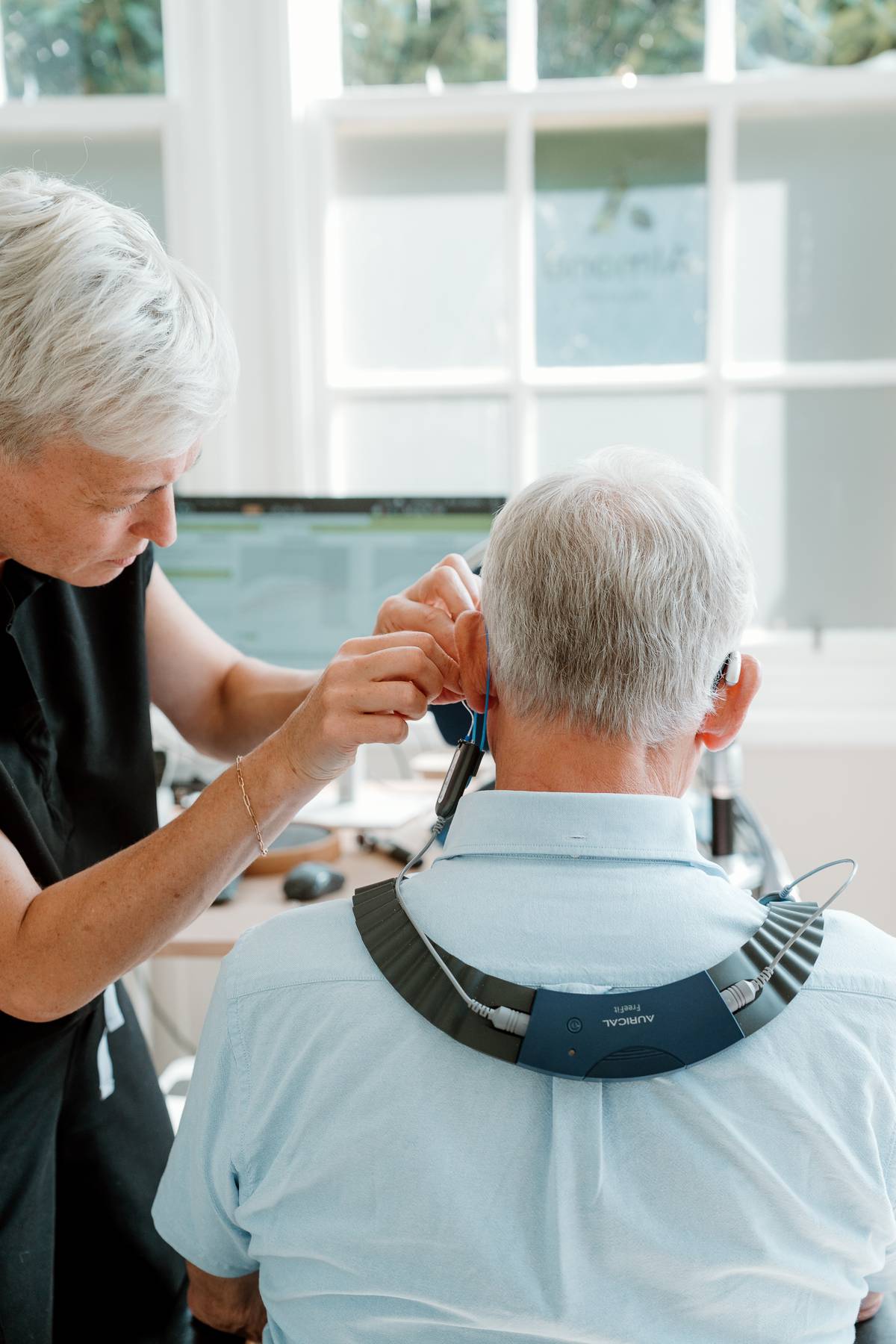
Before you commit to anything, you trial it in your own home, in the rooms and the conversations where it actually has to work. We adjust from there based on how you find it.
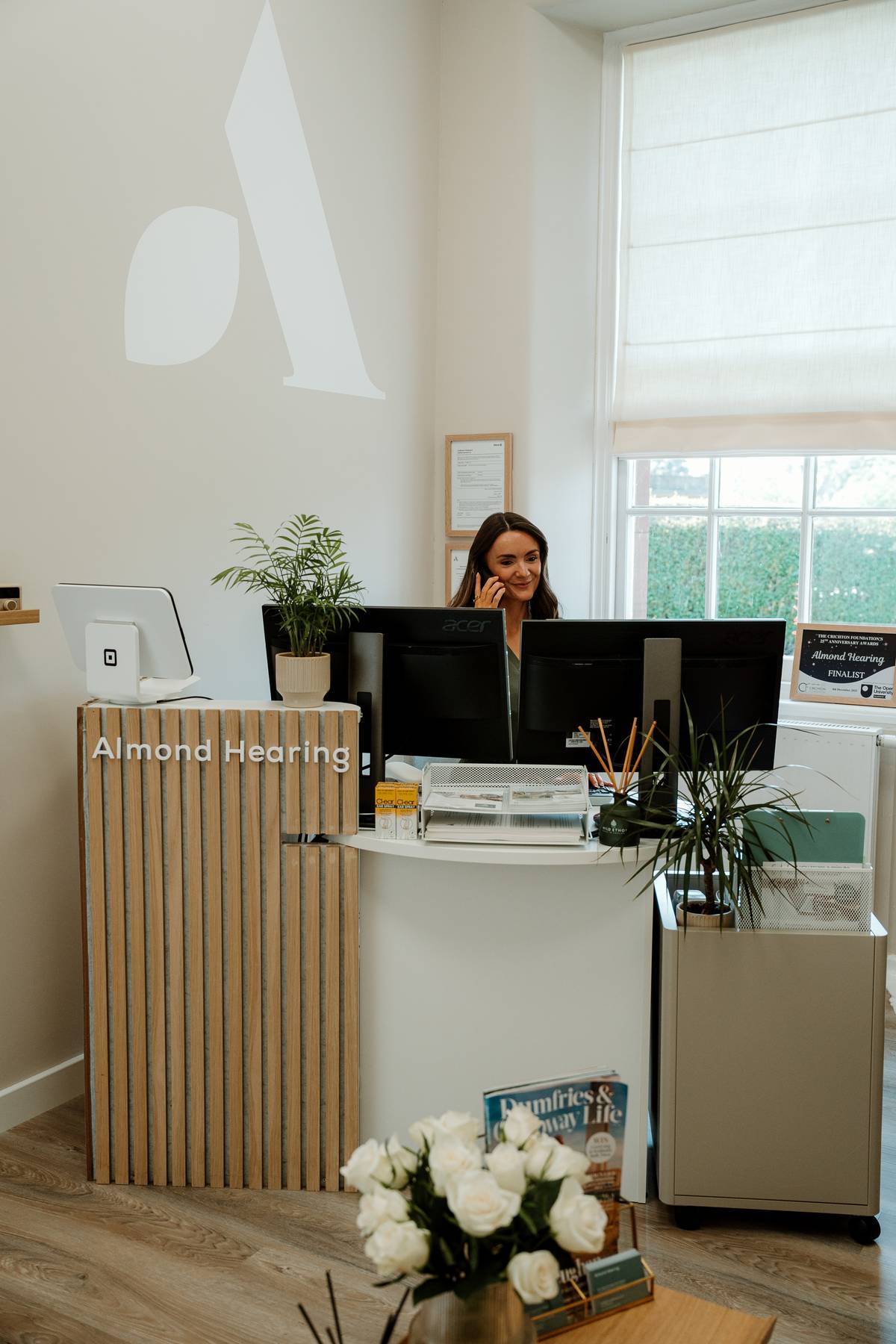
Once you’re set up, you can call or pop in any time. A filter change, a lost receiver, something that doesn’t feel quite right, our front of house team are trained to sort most things on the spot while you have a coffee. If you need an audiologist, we hold repair slots in the diary most days, so you’re seen quickly.
Hearing changes, and so do prescriptions. We see you at six months, then once a year, with everything in between included.
You’ll find our prices on the price list, set out plainly so you know where you stand.
Get in touch and we’ll get back to you to confirm a time. Coffee will be waiting.
"*" indicates required fields